







Bronx, NY
Repointing and mortar joint repair for the brick homes and buildings of Hatun's primary service area.
Explore Bronx service coverageLicensed & Insured
Call: (646) 225-1573Mortar joint repair and repointing
Hatun Construction Corp. provides pointing and repointing for brick and block walls: deteriorated mortar is removed from the joints between units and replaced with new mortar that is properly filled and finished. More than 10 years of hands-on construction experience supports this detail-focused work across the Bronx, with qualified projects also considered in Brooklyn and Queens.
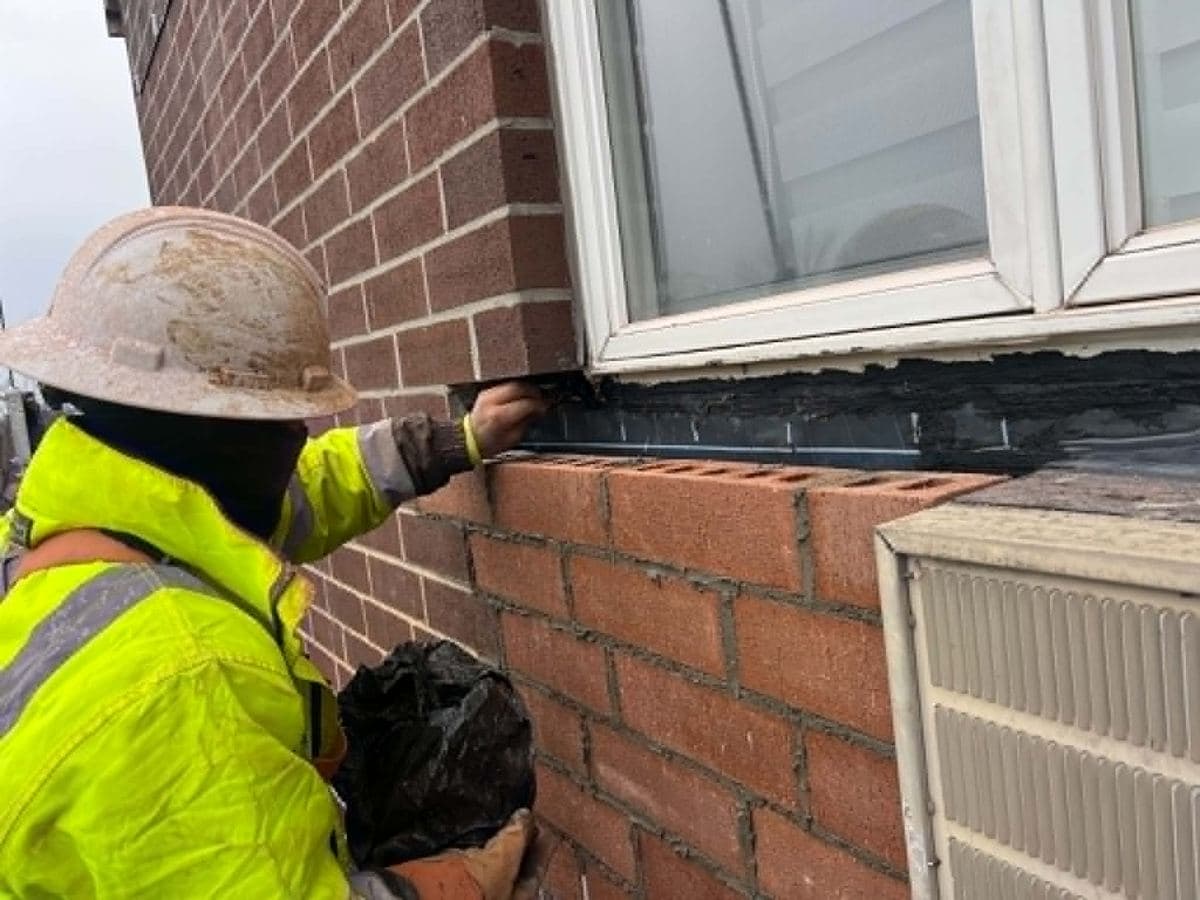
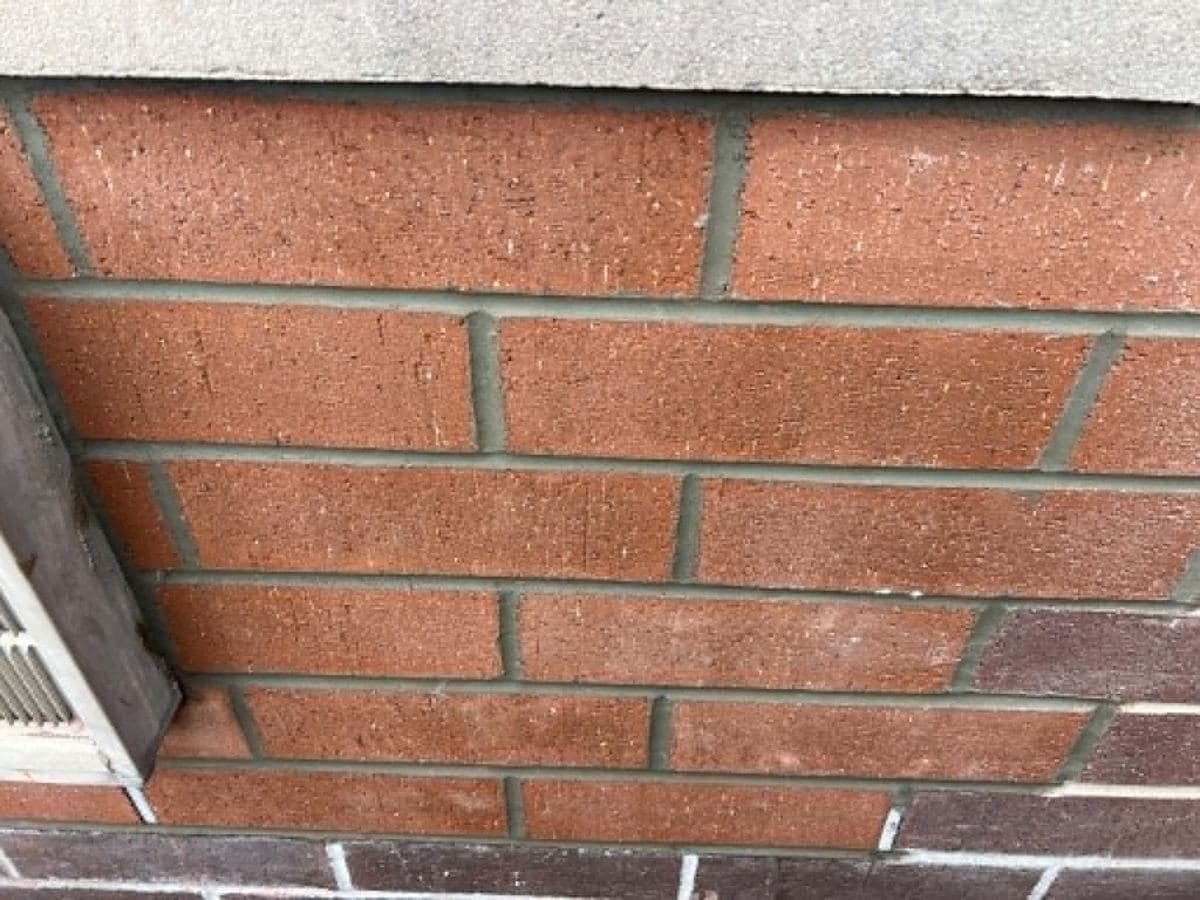
Mortar joints are the space between bricks or blocks, and they wear out before the units around them. Weather, age and movement can leave joints cracked, recessed or soft, which allows water to reach the wall itself. Pointing restores those joints: the deteriorated mortar is raked out to an appropriate depth, the joint is cleaned, and new mortar is packed and tooled to a consistent finish.
Hatun reviews the visible joints, the condition of the surrounding units and the access to the wall before recommending where pointing is appropriate and where a different masonry repair may be needed. The final scope is confirmed in a written estimate after inspection.
Joint deterioration needs context. Hatun reviews the affected walls and surrounding conditions before defining a repair.
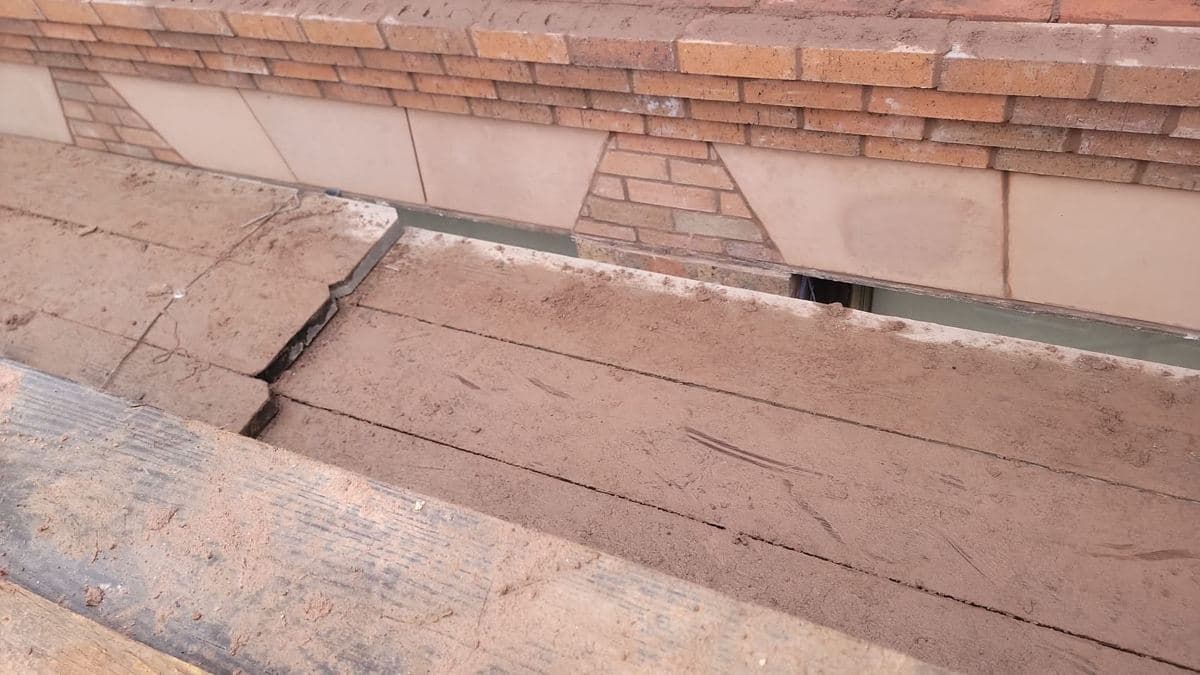
Hairline or open cracks along the joints can be reviewed to determine how deep the deterioration reaches.
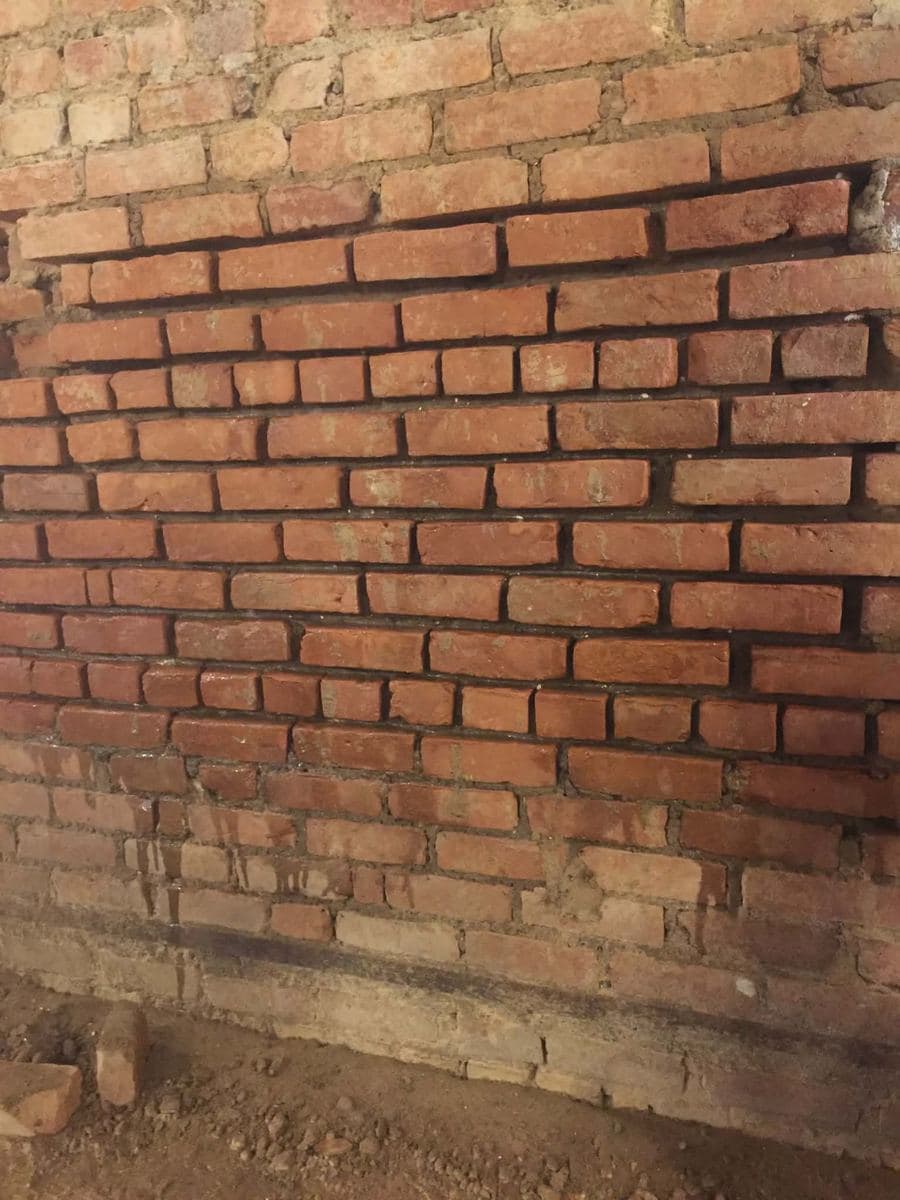
Joints that have worn back or fallen out leave the wall exposed and are common candidates for repointing.
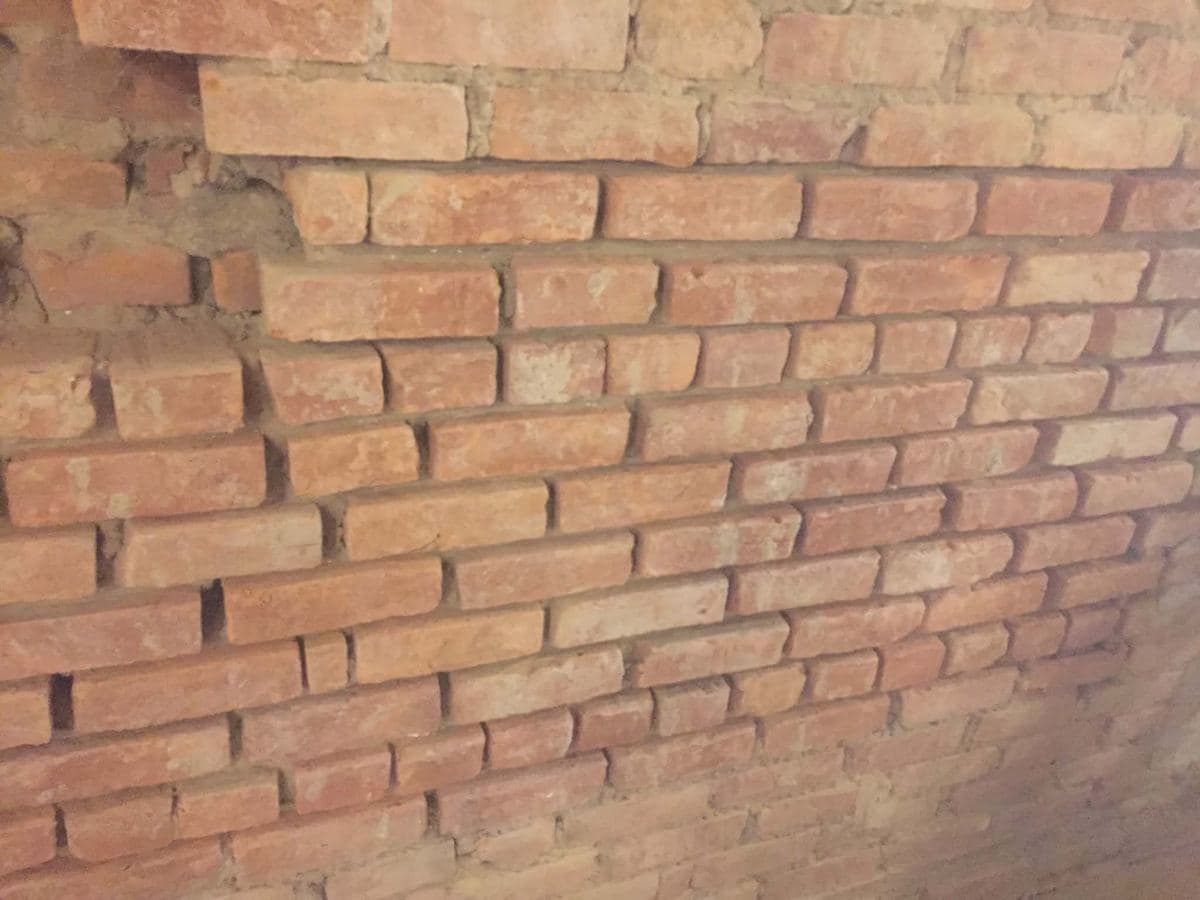
Mortar that crumbles to the touch has lost its strength and should be inspected before water finds a path inside.
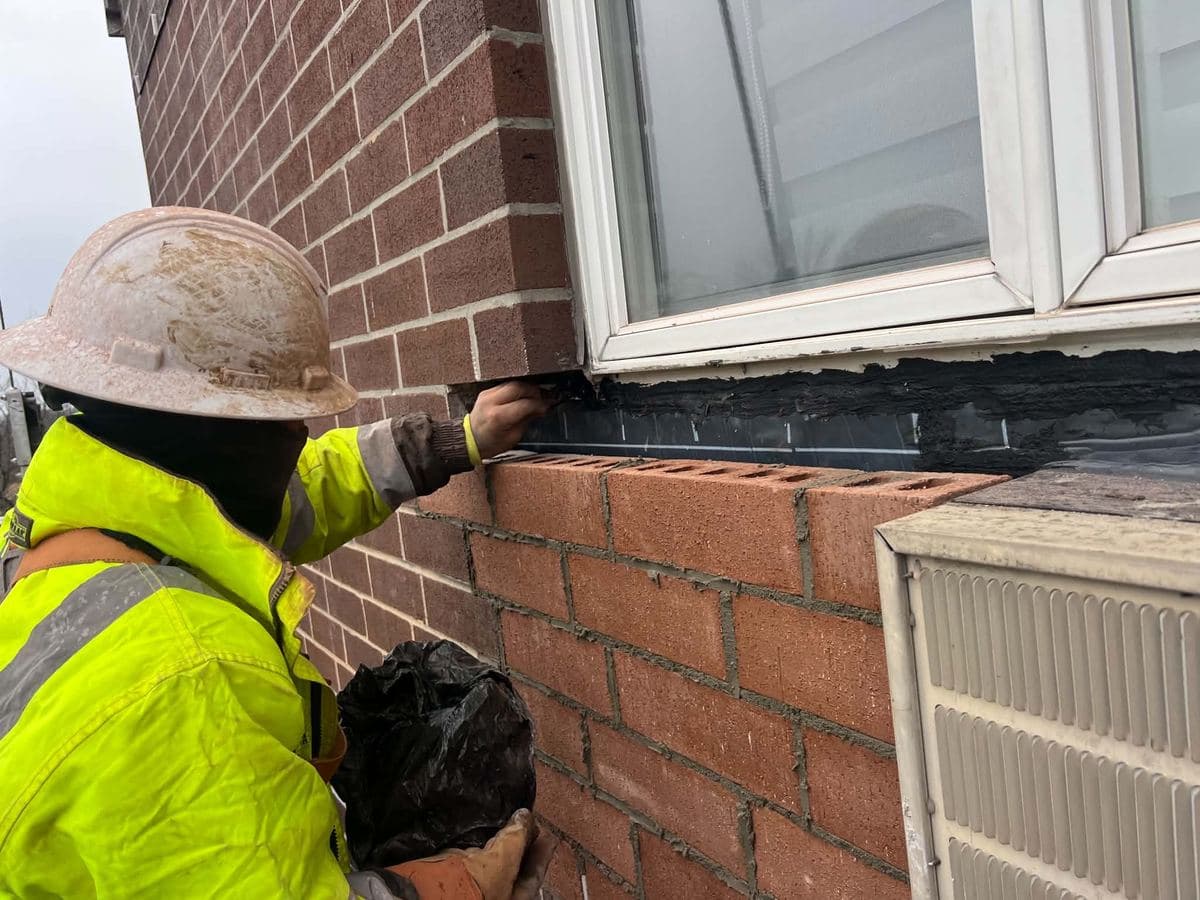
Failed joints are one possible source of moisture, but flashing, windows and other openings must also be considered during inspection.
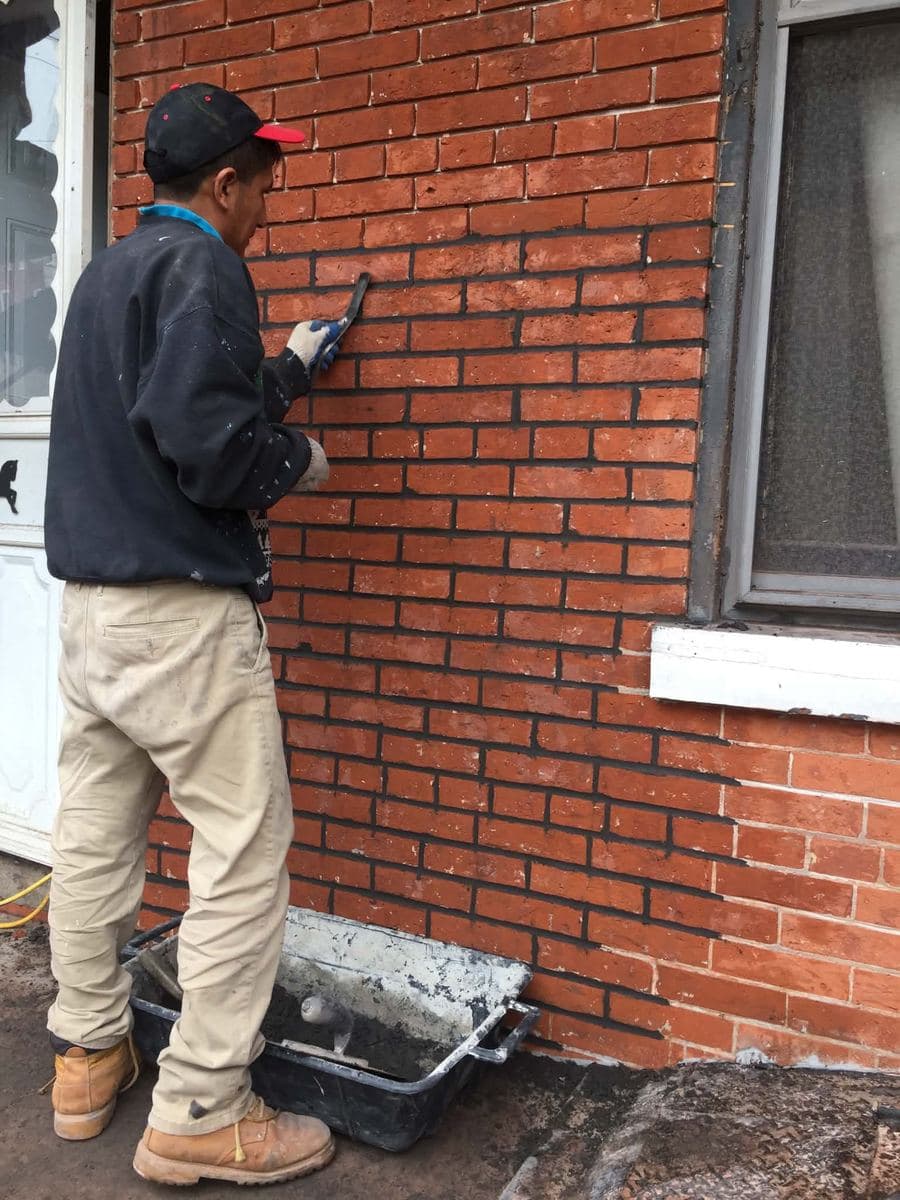
Efflorescence can indicate moisture moving through the wall, which may be related to the condition of the joints.
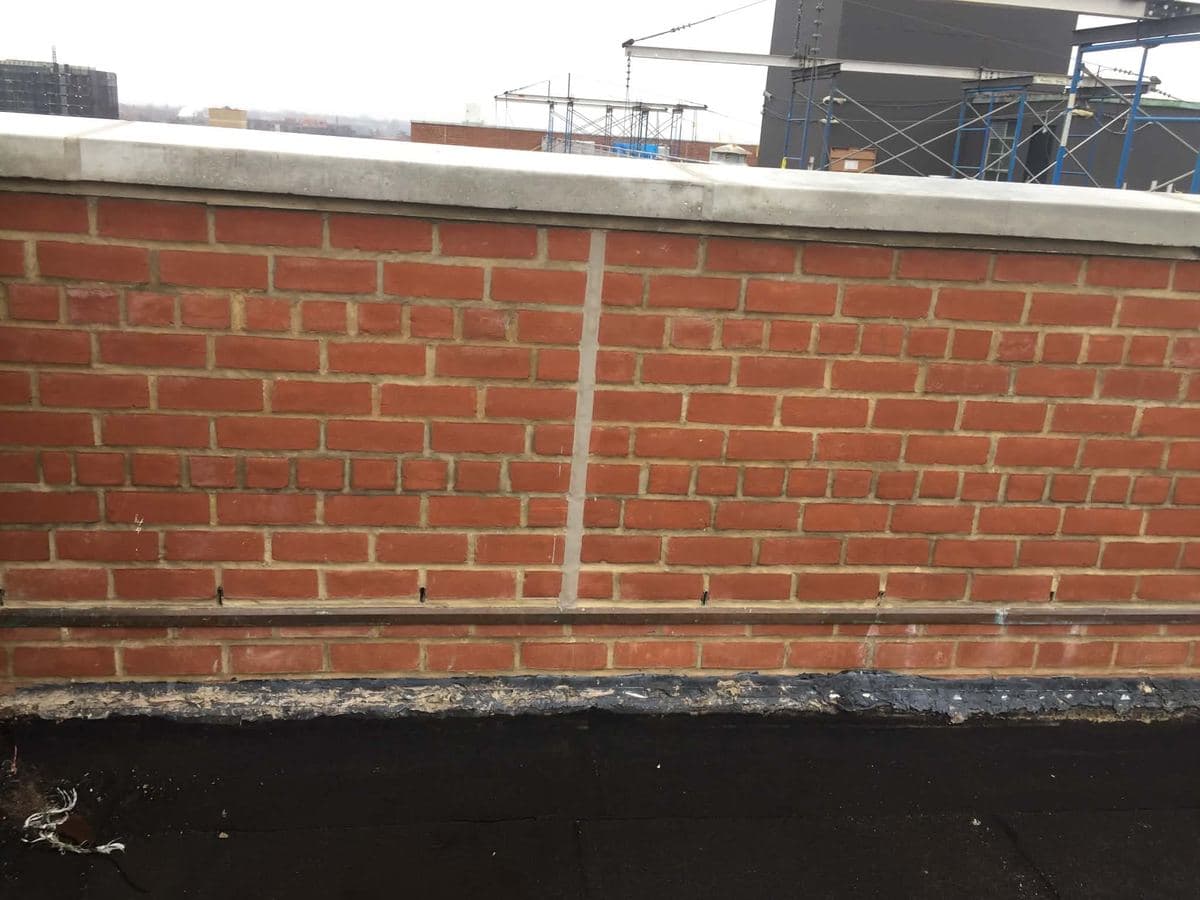
Mismatched or deteriorating patches can be evaluated and repointed for a more consistent, durable joint.
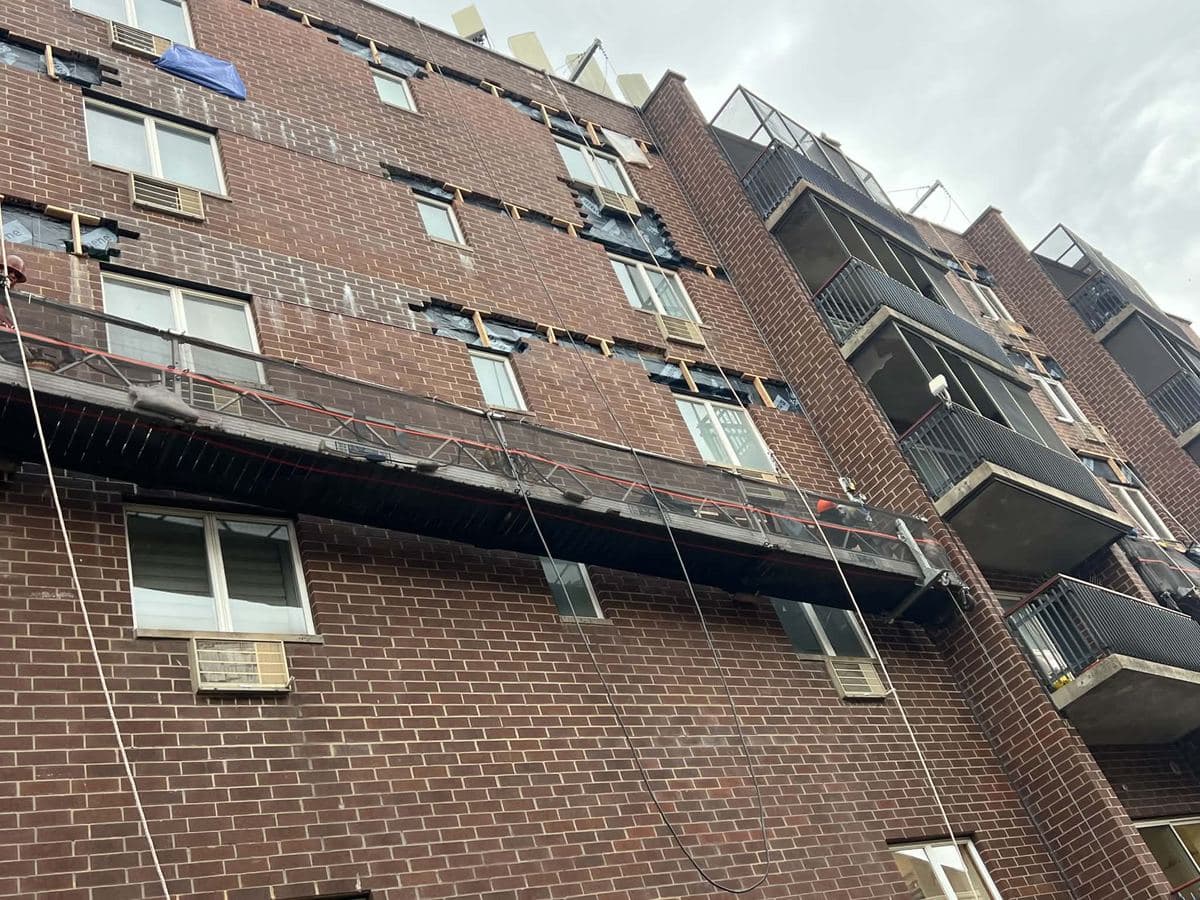
Sun, rain and freeze-thaw cycles wear facade joints unevenly; the affected areas can be mapped before work is proposed.
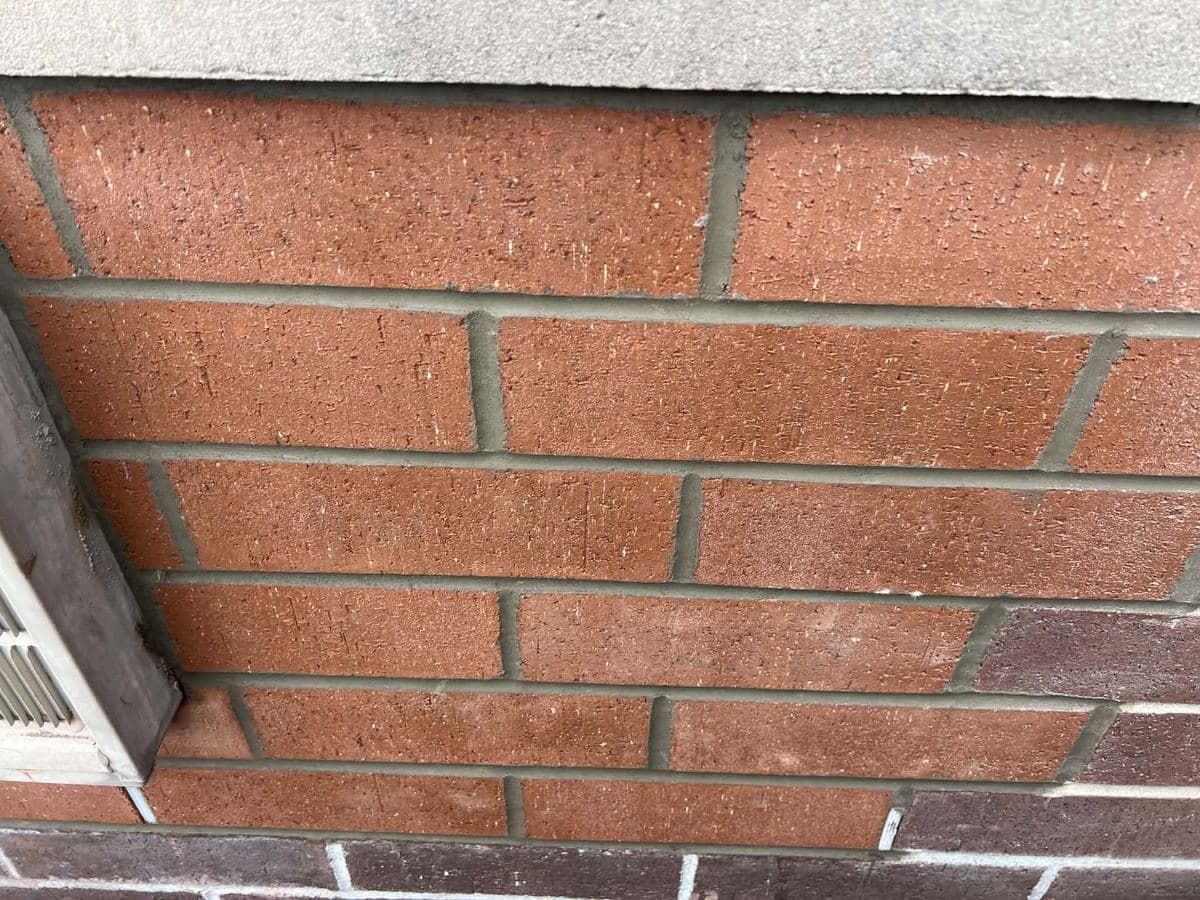
The masonry around windows, doors and vents concentrates movement and often needs joint attention first.
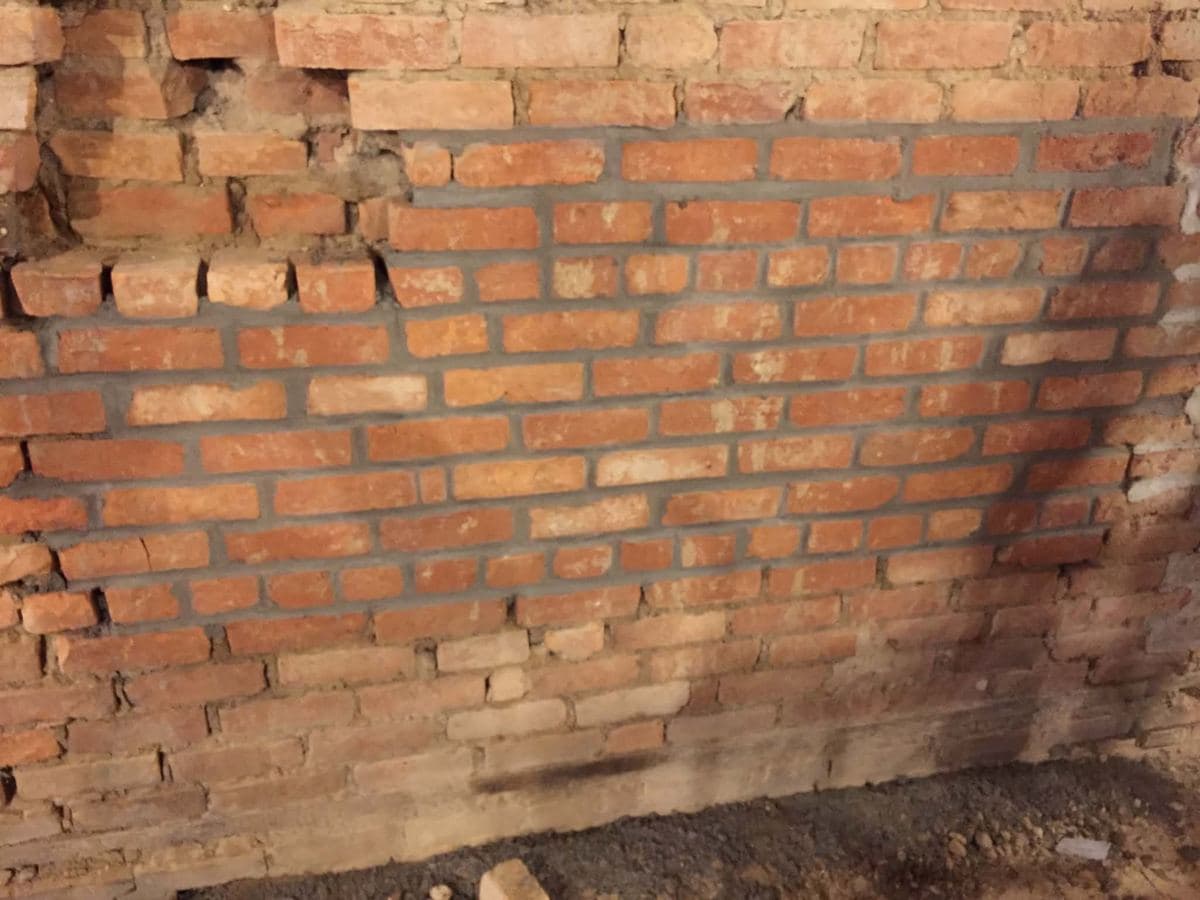
When mortar loss lets individual bricks move, the inspection determines whether pointing alone is enough or resetting is needed.
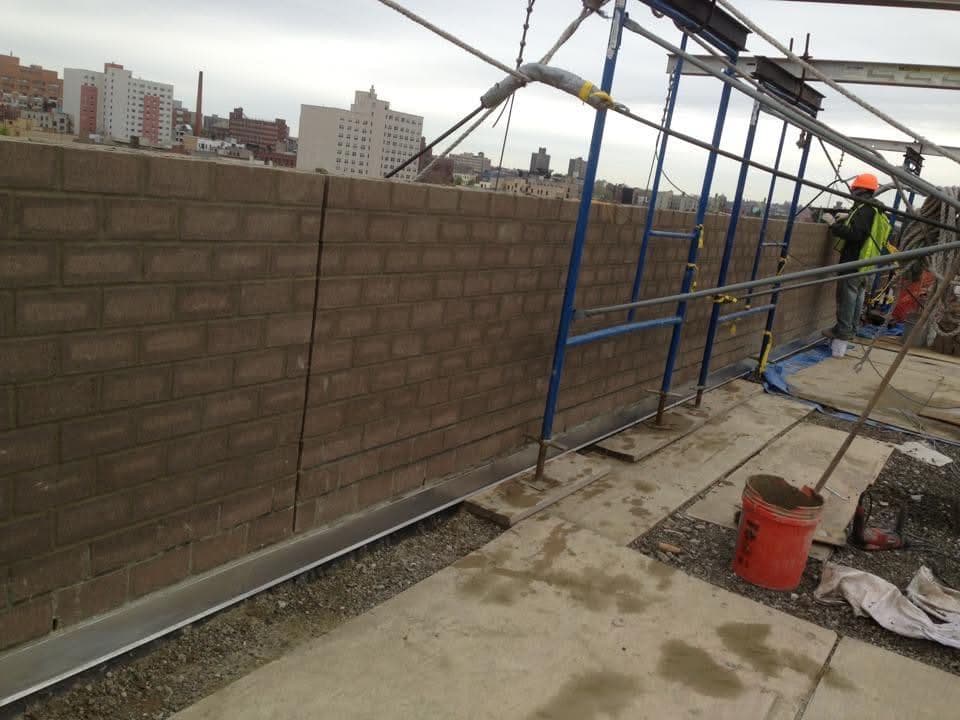
Block joints wear like brick joints and can be reviewed for the same repair approach.
Pointing projects range from localized joint repair to full facade repointing. The appropriate scope depends on the joint condition, the wall area affected and the access available.
The final pointing scope is determined after the joints are inspected and the written estimate is prepared. Access, wall height, existing conditions and mortar matching may affect the recommended work.
Exterior walls, entrances, shared areas and access conditions shape how joint work should be planned for each property. The property scenes below are illustrative examples of each setting.
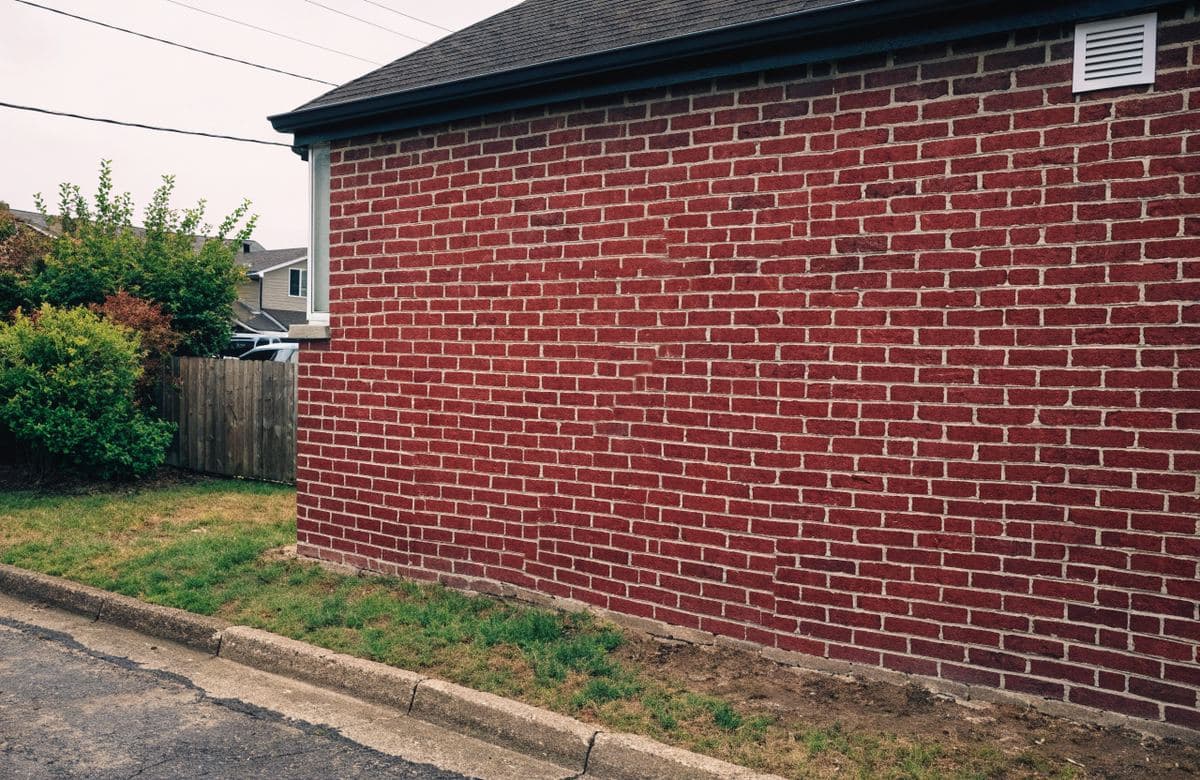
Exterior walls, chimneys-adjacent masonry and visible joint wear can be reviewed around the owner's priorities.
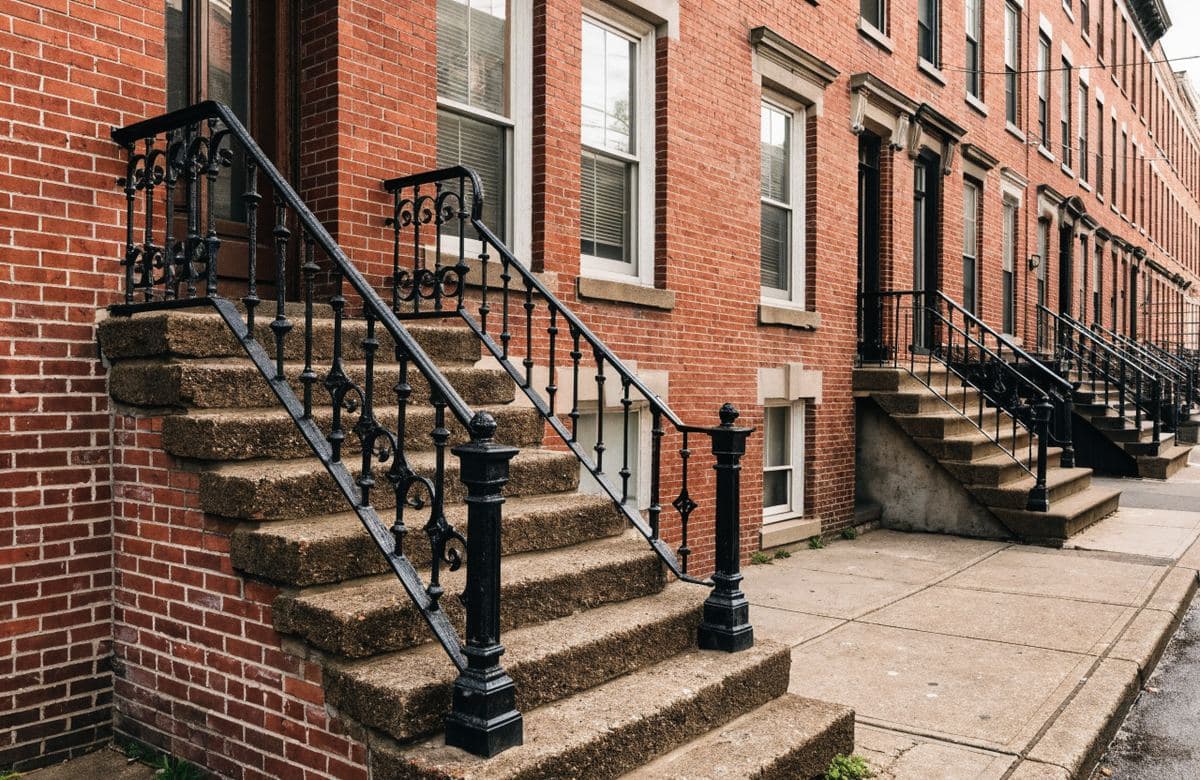
Joint work may require coordination around shared entrances, occupied areas and planned maintenance.
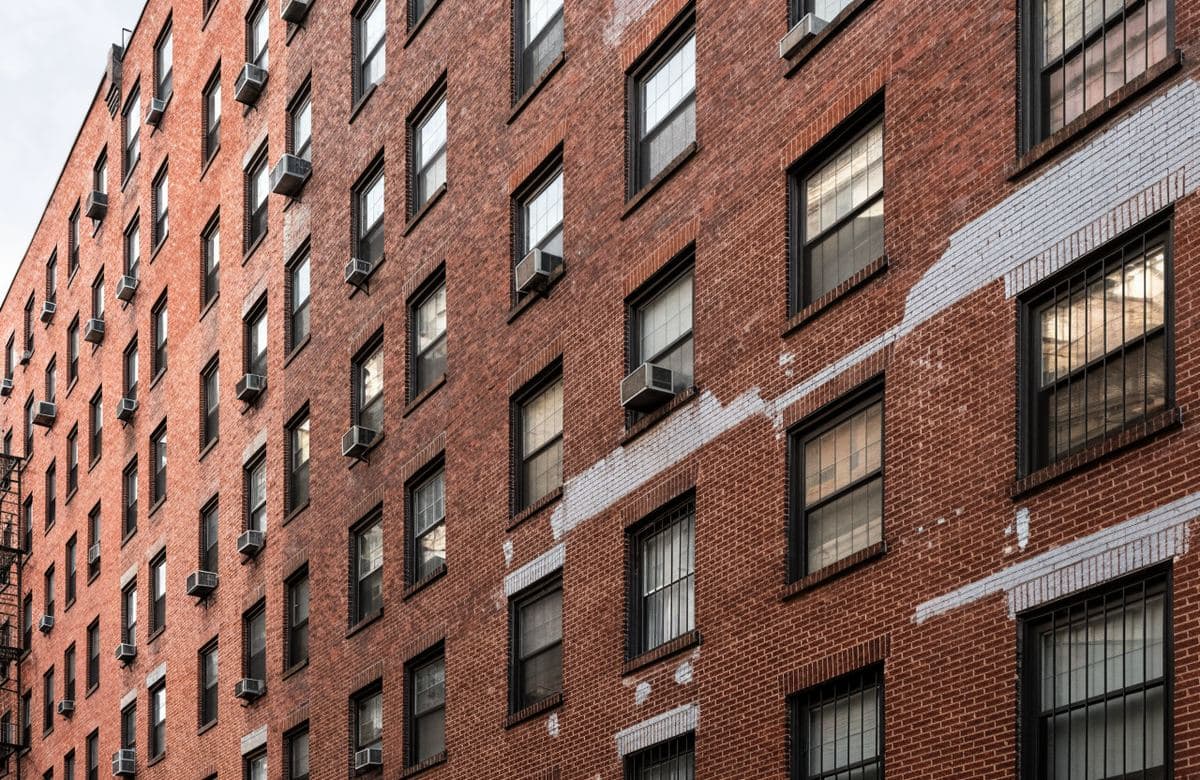
Facade repointing is evaluated according to height, access, the affected area and project fit.
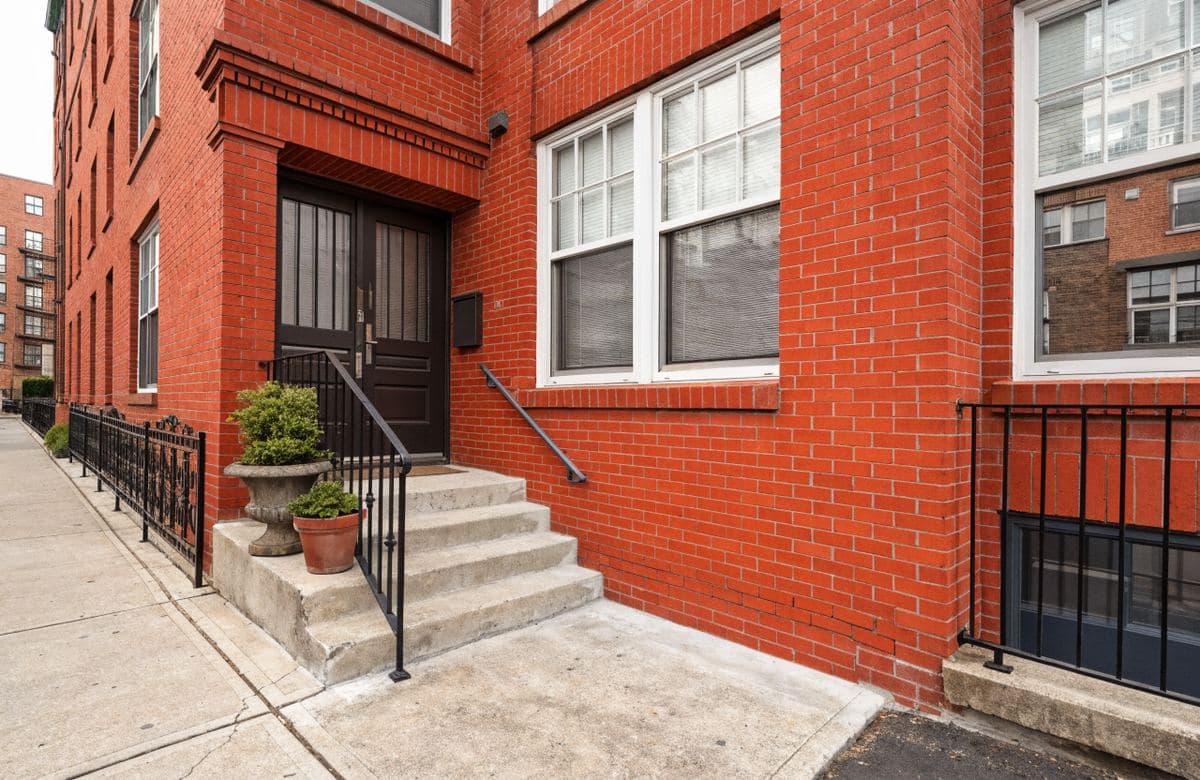
Joint restoration for entries, walls and shared areas can be considered with applicable property coordination.
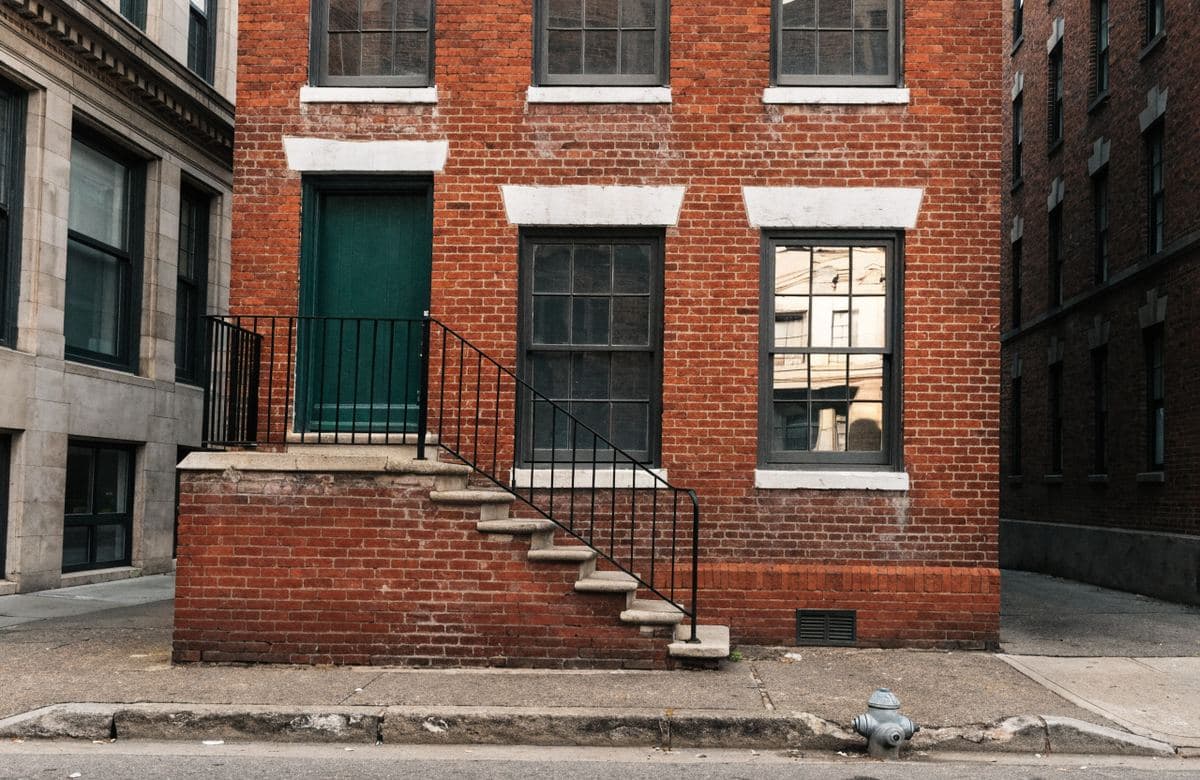
Landlords can address deteriorated joints before they become larger masonry or water problems.
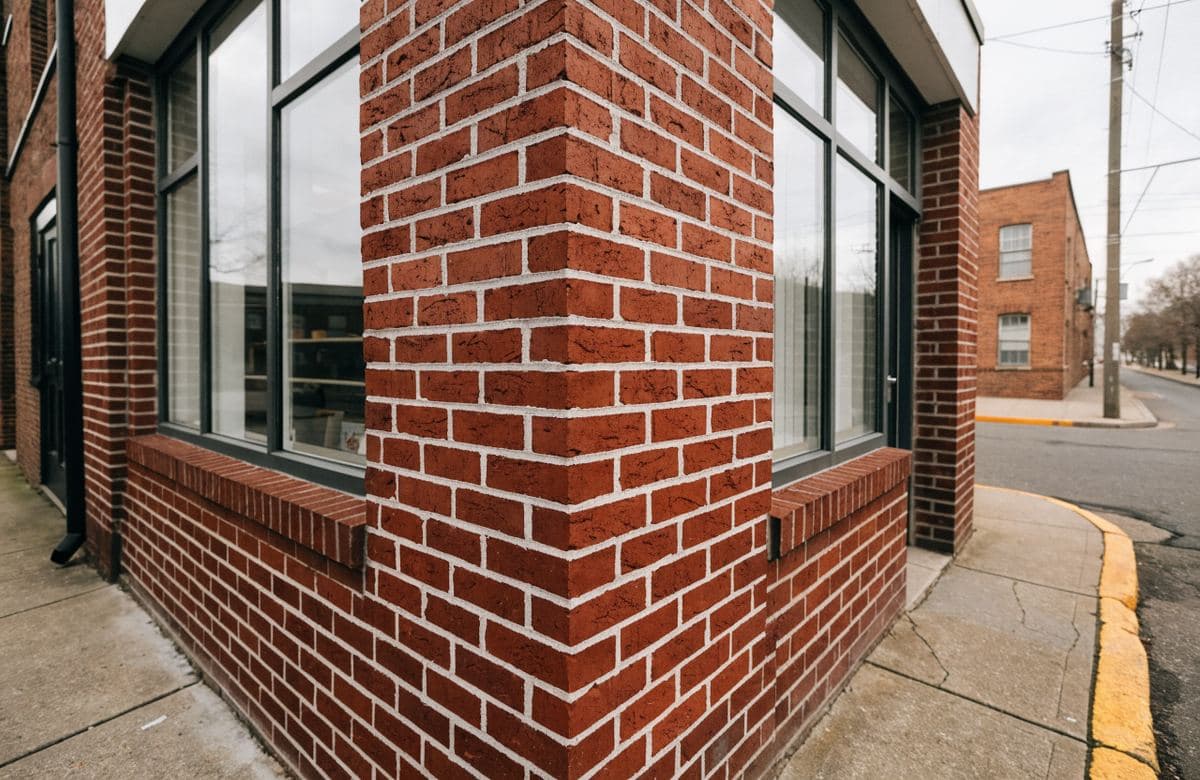
Appropriate projects are reviewed according to access, wall condition, scope and current capabilities.
Pointing quality is visible in every joint line. Hatun pairs that attention to detail with practical assessment and direct communication.
Practical masonry knowledge supports decisions about joint depth, mortar and finish.
Hatun provides the professional credentials expected for construction and masonry projects.
Pointing quality is visible in every joint line. Raking, packing and tooling are treated as craft, not filler.
Where pointing is not enough — loose units, structural movement — the recommendation says so before work begins.
The proposed area, access considerations and finish expectations are discussed before work proceeds.
Owners and managers can discuss joint concerns and next steps in English or Spanish.
The sequence connects the observed joint condition to a written scope, careful execution and a final review of the agreed work.
Share the affected wall, the visible joint condition, the property type and photographs when available.
The team reviews the mortar joints, surrounding units, access and the area around the proposed work.
The affected areas and the recommended pointing or related masonry work are defined in writing.
Deteriorated mortar is removed, joints are refilled and tooled according to the agreed scope.
Completed joints are reviewed for fill and finish, followed by the agreed project cleanup.
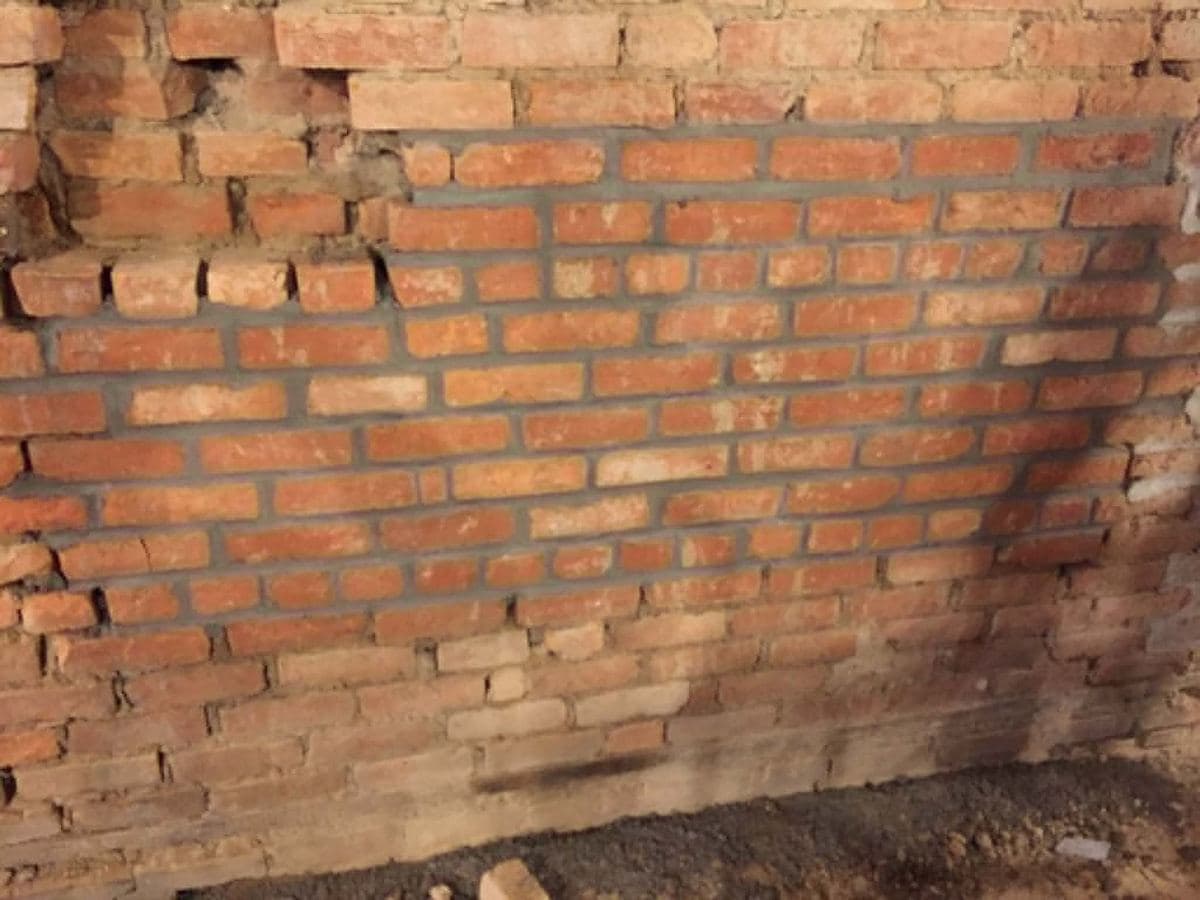
These real Hatun photographs show mortar joint work, facade repointing and finished joints. They are presented without assigning unverified locations, material names, project costs or restoration claims.
Hatun operates as a service-area business with the Bronx as its primary market for pointing work. Project availability in Brooklyn and Queens is confirmed according to location, access, scope and current scheduling.
Repointing and mortar joint repair for the brick homes and buildings of Hatun's primary service area.
Explore Bronx service coverageQualified pointing projects are considered after the affected walls, access and proposed scope are reviewed.
Property owners can contact Hatun to discuss visible joint deterioration and current availability.
Workmanship commitment
If a problem comes up as a direct result of work completed by Hatun Construction Corp., the company will inspect the work and make the necessary corrections according to the agreed project scope and terms.
The commitment applies to direct workmanship concerns within the agreed scope and terms. It does not extend to movement, settlement, unrelated water sources, existing structural conditions, natural wear or third-party damage.
These answers explain common joint repair considerations. The actual condition, access and mortar matching still require review.
Pointing is the work of filling and finishing the mortar joints between bricks or blocks. Repointing is the repair version: deteriorated mortar is raked out of the joints and replaced with new mortar that is packed and tooled to a consistent finish.
Common signs include cracked or crumbling joints, joints worn back from the face of the brick, missing mortar, white staining and moisture inside near exterior walls. An inspection confirms how much of the wall is affected.
Deteriorated joints are one possible path for moisture, but flashing, windows and other exterior conditions may also contribute. The inspection looks at the joints in context before defining the scope.
No. Pointing repairs the mortar between the units. When bricks themselves are loose, broken or deteriorated, the project may combine repointing with brick repair or replacement, which is defined after inspection.
A reasonable visual match can be pursued, but an exact match depends on the age and condition of the existing mortar. New joints also tend to blend more as they weather. Expectations are reviewed before work begins.
Both. Some projects need localized spot pointing around openings or damaged areas; others call for repointing a full wall or facade. The recommendation follows the inspected condition and the agreed scope.
Timing depends on the wall area, joint condition, access and weather. A useful schedule can be discussed after inspection and planning.
Yes. Hatun works with landlords and property managers responsible for rental, apartment and multifamily property maintenance.
Use the Request a Free Estimate button or call (646) 225-1573. Share the affected wall, the visible joint condition, the property type and its general location to begin the review.
Masonry covers brick and block repair beyond the joints, while concrete supports steps and exterior surfaces.
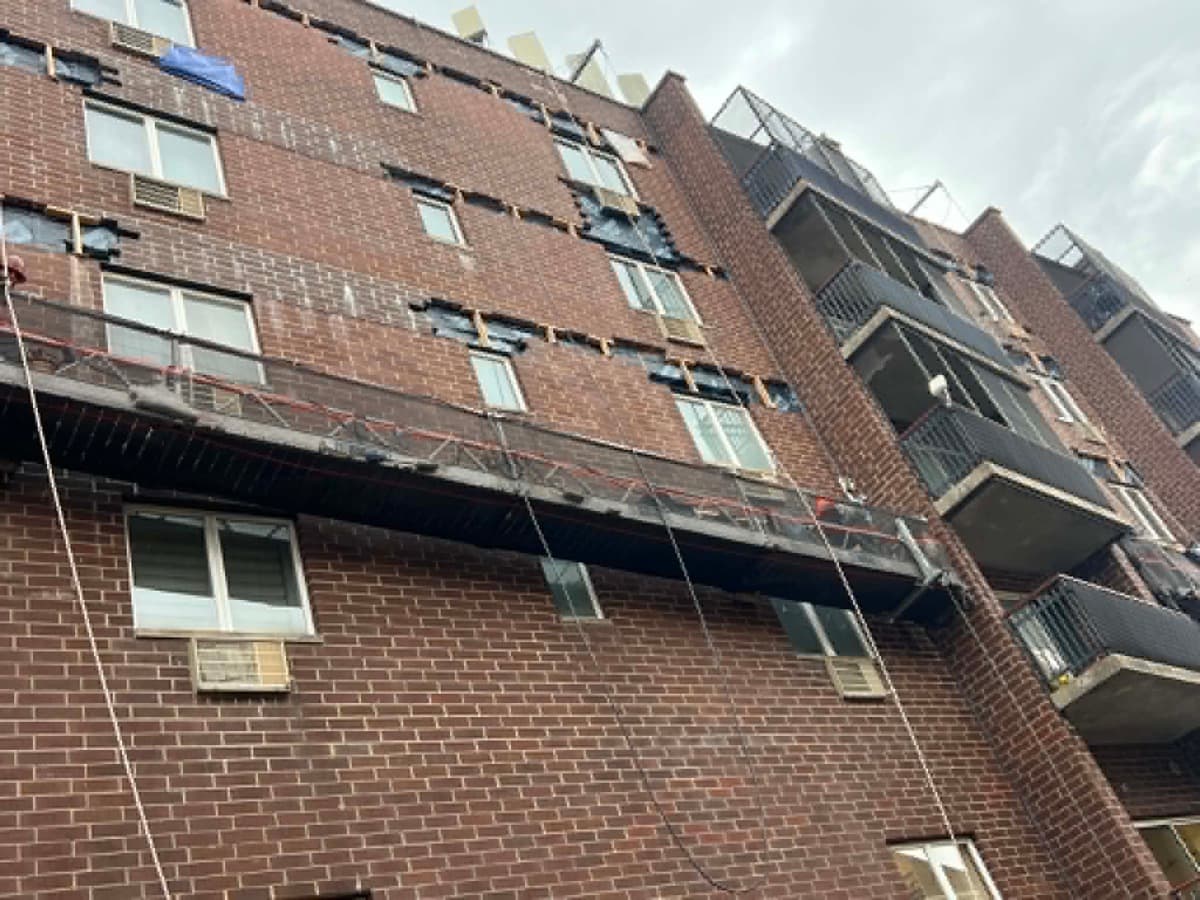
Brickwork, blockwork, repointing and repairs for steps, facades and other durable exterior improvements.
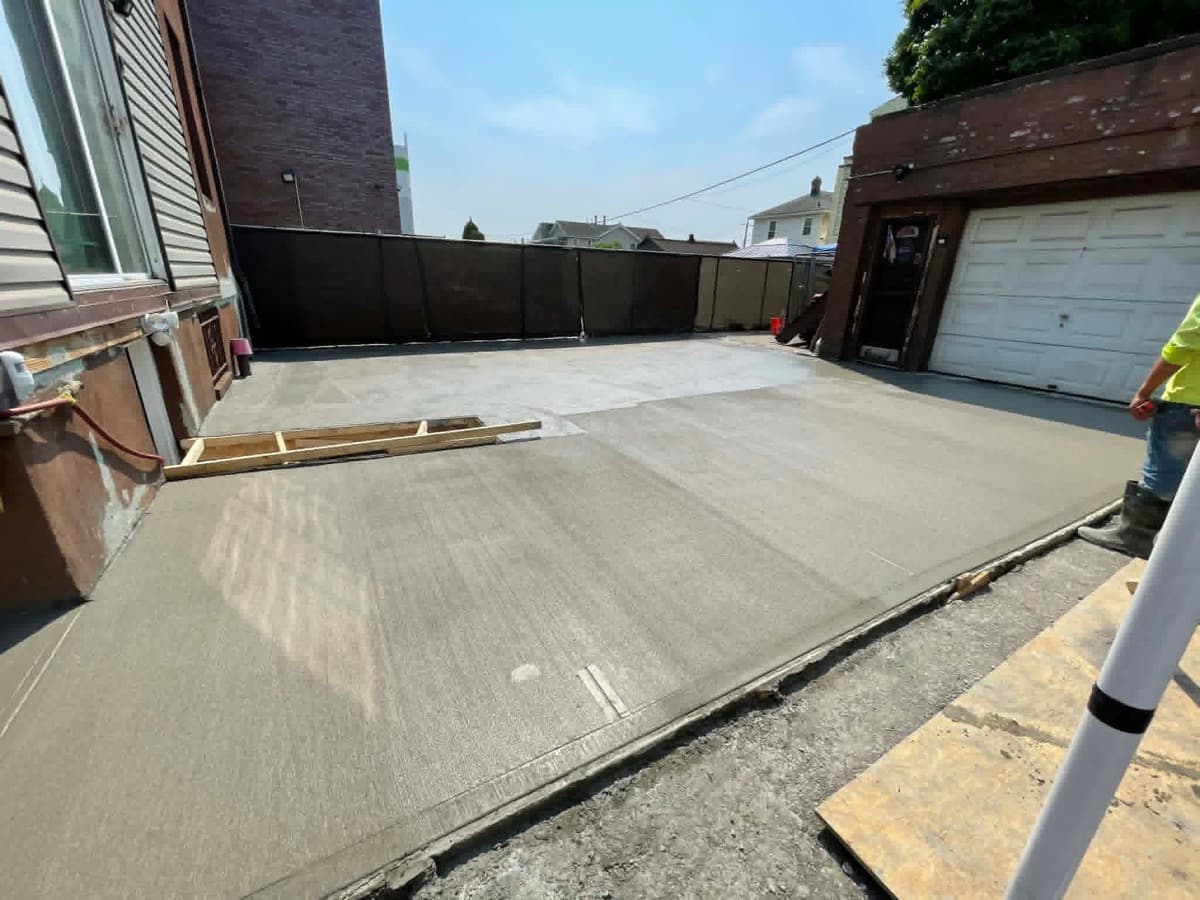
Concrete installation and repair for slabs, steps, walkways, patios and other hardworking property surfaces.
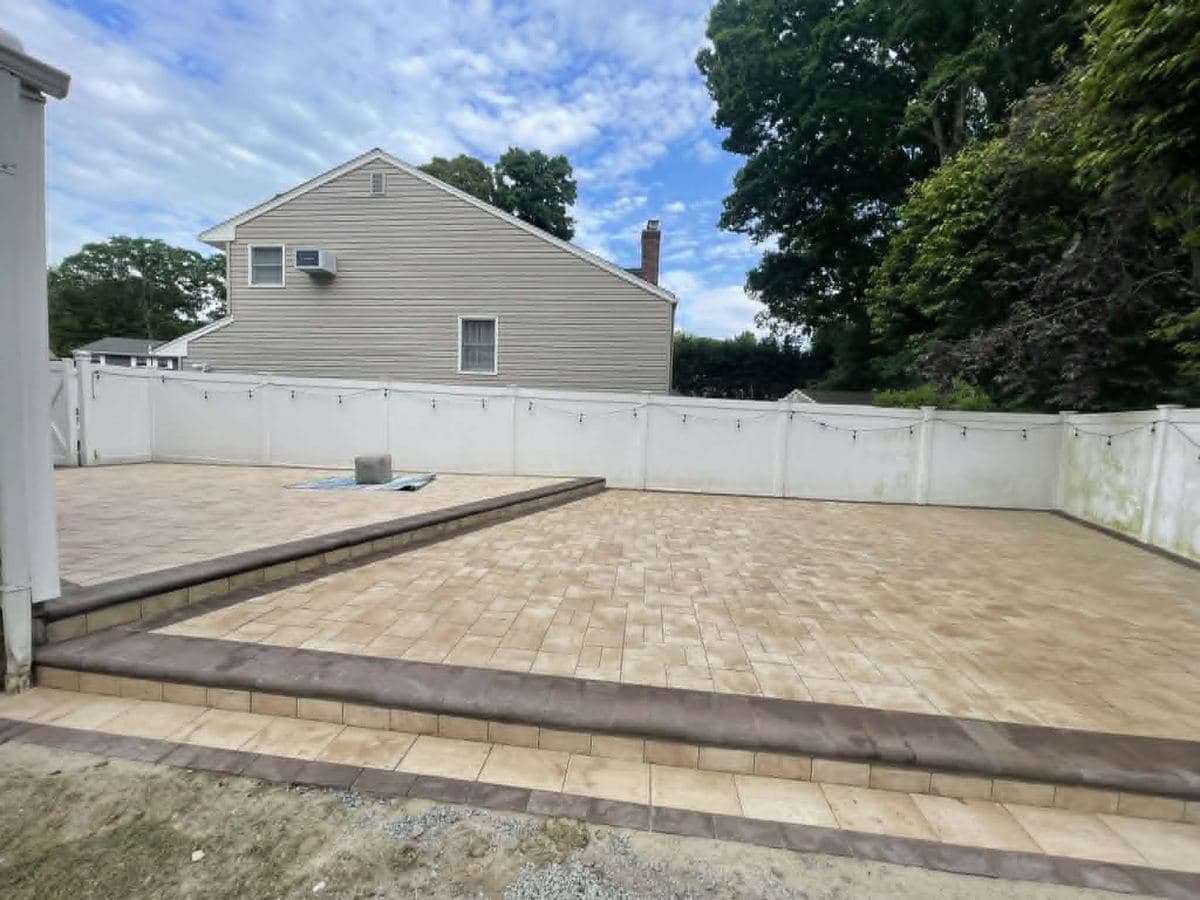
Paver installation for patios, walkways, driveways and exterior floors, from base preparation through compaction and finished edges.
Start with the affected wall
Tell Hatun which walls are affected, what the joints look like, the type of property and its general location. Photographs of the joints help the first conversation.